Top Highlights
See All
›
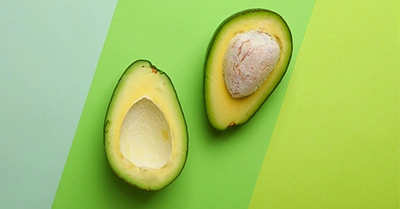
Avocados are beloved for their creamy texture and rich, buttery flavor.
However, when exposed to air, their taste and appearance can change noticeably. This transformation is caused by oxidation, a natural chemical reaction that occurs when the fruit’s flesh comes into contact with oxygen. Understanding this process helps explain why freshly cut avocados taste different from those left out for a while.
Oxidation and Flavor Changes
The moment avocado flesh is exposed to air, enzymes called polyphenol oxidases react with oxygen. This reaction produces compounds that slightly alter the flavor, often adding a bitter or sour note. At the same time, oxidation can darken the green flesh to brown, which can also affect perceived taste. While the texture remains mostly creamy, the subtle bitterness may make the avocado taste less fresh over time.
Texture and Aroma Effects
Air exposure can also impact the avocado’s aroma and mouthfeel. Some volatile compounds that contribute to its pleasant, nutty aroma start to break down, slightly reducing the fragrance. The surface may develop a thin, slightly drier layer as moisture interacts with oxygen, changing the mouthfeel and making it feel less luscious than freshly cut avocado.
Preventing Unwanted Changes
To maintain the best flavor and texture, avocados are often stored with minimal air exposure. Techniques include using lemon juice, wrapping tightly in plastic, or storing in airtight containers. These methods slow oxidation, preserving the creamy texture, bright green color, and mild buttery flavor that make avocados so enjoyable.
Conclusion
Air exposure subtly alters the taste, aroma, and color of avocados due to oxidation. While the changes are natural, they can make the fruit taste slightly bitter or less fresh. Understanding this process allows us to take simple steps to enjoy avocados at their peak flavor and texture.