Top Highlights
See All
›



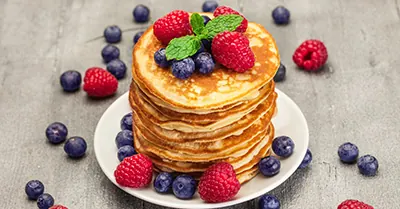
The way pancake batter is poured onto the griddle can reveal a lot about the resulting pancake’s quality.
Batter flow depends on viscosity, air content, and consistency, which in turn affect pancake thickness, fluffiness, and even cooking. Observing how batter spreads and holds shape helps predict whether the pancake will rise properly and cook evenly. Simple adjustments in pouring technique can significantly improve pancake texture and appearance.
Viscosity and Spread
Thicker batter spreads slowly and holds shape, leading to taller, fluffier pancakes. Thinner batter spreads quickly, producing flatter pancakes with less rise. Viscosity is influenced by flour-to-liquid ratio, eggs, and fat content, so understanding the batter’s flow behavior allows better control over pancake height and texture.
Air Content and Bubble Formation
Air trapped in the batter contributes to fluffiness. When poured carefully, these air bubbles remain intact and expand during cooking, giving pancakes a light texture. Rough or vigorous pouring can collapse bubbles, resulting in dense or uneven pancakes. Gentle, steady pouring ensures optimal pancake rise and consistency.
Cooking Uniformity
How the batter spreads also affects heat distribution. Evenly poured batter creates uniform thickness, ensuring consistent cooking and browning. Uneven batter can produce undercooked centers or overcooked edges, affecting taste and texture. Observing batter behavior provides insight into how pancakes will perform on the griddle.
Conclusion
The physics of pouring pancake batter—viscosity, air content, and spread—directly impacts pancake quality. Understanding these principles helps achieve pancakes that are fluffy, evenly cooked, and visually appealing. Proper batter handling is key to mastering perfect pancakes every time.