Top Highlights
See All
›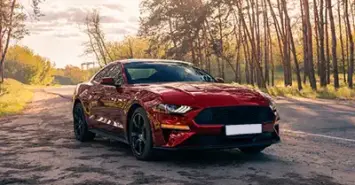
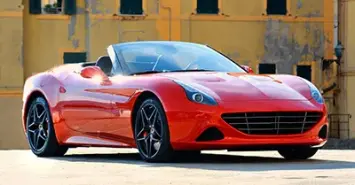
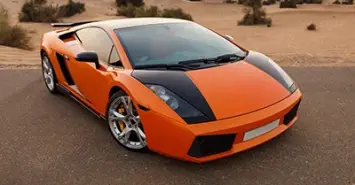
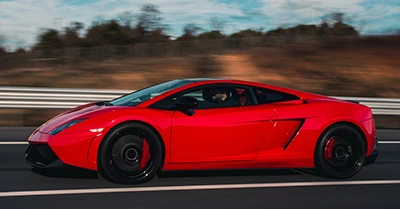
Cars can appear to change their color overnight through advanced surface technologies and controlled systems.
This transformation does not happen randomly but is guided by materials that respond to signals or environmental changes. The outer layer of the car can be designed to shift its appearance when certain conditions are met, such as temperature variation or electronic input. By morning, the vehicle may display a different shade, giving the impression that the color changed while no one was watching.
Responsive Surface Materials
Some vehicle surfaces are made with materials that react to heat, light, or electrical signals. These materials can alter how they reflect light, which changes the visible color. The shift can be subtle or noticeable, depending on the design. This allows the surface to present different tones without needing a new layer of paint.
Controlled Signal Systems
Color change can also be managed through internal systems that send signals to the surface layer. These signals adjust the arrangement of particles within the material, which affects how light is reflected. The process is controlled and can be set to occur at specific times, such as during periods when the vehicle is not in use.
Environmental Influence Effect
External conditions can play a role in how the color appears. Changes in temperature or lighting can trigger or enhance the effect. For example, cooler conditions might produce a darker tone, while warmer conditions could make the color appear lighter. These variations add to the perception of a shifting surface.
Energy And Efficiency Balance
Such systems are designed to use minimal energy while maintaining the desired effect. Once the color change occurs, it often remains stable without continuous input. This makes the process efficient and suitable for repeated use without significant power consumption.
Dynamic Appearance Concept
Cars that change color highlight how materials and technology can work together to alter appearance. By using responsive surfaces and controlled systems, it becomes possible to shift visual characteristics without physical repainting. This approach demonstrates how design can evolve to offer flexibility and new forms of expression in everyday objects.