Top Highlights
See All
›




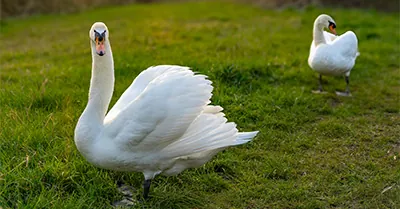
Swans are known for their calm beauty, but they can suddenly become highly aggressive when threatened.
This behavior may seem surprising, but it is a natural response linked to survival and protection. Their aggression is not random; it is triggered by specific situations where they feel their safety, territory, or family is at risk.
Common Aggression Triggers
-
Protecting their nest, eggs, or young from nearby threats.
-
Defending their territory from other animals or intruders.
-
Feeling cornered or unable to escape from a situation.
-
Reacting to sudden movements or unfamiliar presence.
Territory Is Highly Important
Swans are very territorial, especially during breeding season. They claim specific areas for nesting and feeding, and they guard these spaces strongly. If another animal or even a human enters this zone, swans may see it as a direct threat. They use loud sounds, wing displays, and fast movements to warn others before becoming physically aggressive.
Protecting Young Comes First
One of the strongest reasons behind swan aggression is the protection of their young. Both parents are highly alert and ready to defend their chicks from any danger. A surprising fact is that swans can become much more aggressive than usual when their young are nearby. This protective instinct ensures the safety and survival of their offspring.
Body Signals Show Warning
Before attacking, swans often give clear warning signs. They may spread their wings, hiss loudly, or swim quickly toward the threat. These signals are meant to scare away intruders without physical contact. However, if the warning is ignored, they may attack using their wings and beak to defend themselves or their territory.
Instinct Drives Behavior
Aggression in swans is driven by strong instincts rather than random behavior. Their brain responds quickly to potential threats, especially during sensitive periods like nesting. This instinct helps them react fast and protect what is important. While they appear calm most of the time, their protective side becomes active when needed.
Conclusion
Swans turn aggressive mainly to protect their territory, partner, and young. Their behavior is a natural survival response, not unnecessary aggression. Understanding these triggers helps explain why such graceful birds can also show strong and defensive actions when they feel threatened.