Top Highlights
See All
›



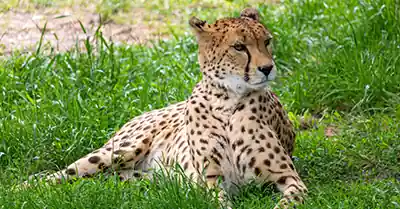
The cheetah’s speed is the result of a body built entirely for rapid movement.
Every part of its structure supports acceleration, balance, and quick response. From its lightweight frame to its flexible spine, each feature works together to create powerful bursts of speed. This design allows it to reach high velocity in a very short time. Unlike animals built for endurance, the cheetah focuses on short, intense movement. Its body shows how specialized structure can produce exceptional performance when all elements are aligned toward a single purpose.
Flexible Spine Advantage
One of the most important features of the cheetah is its highly flexible spine. During a sprint, the spine stretches and contracts like a spring, increasing the length of each stride. This allows the cheetah to cover more ground with fewer steps. The extension also helps maintain rhythm and speed without losing balance. As the spine compresses and expands, it stores and releases energy efficiently. This movement pattern makes the running motion smoother and more effective. The flexible spine is a key factor in achieving such high speed in a short duration.
Powerful Leg Mechanics
The cheetah’s long and strong legs generate the force needed for rapid acceleration. Each step pushes the body forward with significant power, helping it reach top speed quickly. The leg muscles are designed for explosive movement rather than long-term use. This means they produce high force but tire quickly. The joints also allow wide movement, supporting longer strides. Combined with the spine’s motion, the legs create a coordinated system that maximizes speed. This structure shows how strength and flexibility work together to produce efficient movement.
Lightweight Body Structure
A lighter body helps reduce resistance during movement, making acceleration easier. The cheetah’s slim build allows it to move quickly without carrying excess weight. This design reduces the effort required to reach high speed. It also helps in quick direction changes during a chase. A lighter frame means less energy is needed to move the body forward. This improves overall efficiency during short bursts of activity. The balance between strength and reduced weight is essential for maintaining both speed and control.
Tail For Balance Control
The cheetah’s long tail acts as a stabilizer during high-speed runs. It helps maintain balance, especially when changing direction quickly. As the body moves, the tail shifts to counterbalance sudden turns. This prevents loss of control and keeps movement smooth. The tail works like a steering tool, allowing precise adjustments. This feature is especially useful during fast chases where quick reactions are needed. By supporting balance and control, the tail plays a critical role in maintaining speed without compromising stability.
Conclusion
The cheetah’s body design is a perfect example of how structure supports performance. Its flexible spine increases stride length, while powerful legs provide the force needed for acceleration. A lightweight body reduces effort, making movement more efficient. The tail adds balance, allowing quick and controlled direction changes. Together, these features create a system optimized for speed rather than endurance. This combination allows the cheetah to achieve remarkable velocity in short bursts, showing how specialized design can lead to exceptional capabilities in movement and control.