
Top Highlights
See All
›
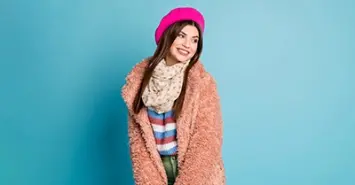
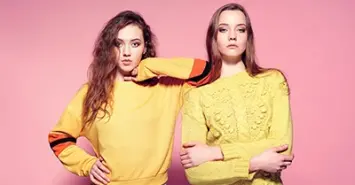
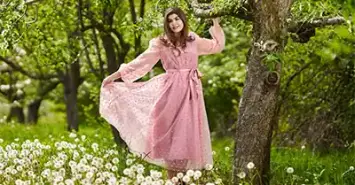

Music-driven environments have a strong influence on how people choose clothing that supports movement, comfort, and expressive identity.
In spaces shaped by rhythm and sound, fashion naturally adapts to physical activity and sensory engagement. Individuals tend to select outfits that allow ease of motion while still reflecting personal style through flow, layering, and texture. The connection between sound and movement encourages clothing that responds well to motion, creating a visual rhythm that mirrors auditory experiences. Over time, this alignment between environment and attire shapes a distinct approach to dressing that prioritizes both functionality and expressive dynamism in social and cultural settings.
Rhythm And Motion Link
Music-centered environments encourage a natural alignment between bodily movement and clothing design. As individuals respond to rhythm, they gravitate toward garments that move fluidly and support active engagement. Loose silhouettes, flexible fabrics, and adaptable fits become preferred choices because they enhance comfort during motion. This relationship between sound and physical expression influences how people interpret fashion in dynamic social settings where movement is a key part of experience.
Flow Based Styling
Flow-based styling focuses on how clothing interacts with movement rather than remaining static in appearance. Attendees often select outfits that shift naturally with body motion, creating visual continuity with rhythmic environments. This includes layered pieces, soft draping elements, and lightweight materials that respond to activity. Such styling allows individuals to feel visually connected to the energy of the space while maintaining comfort during extended periods of engagement and movement.
Expressive Movement Dressing
Expressive movement dressing emerges when fashion becomes a tool for participation rather than passive appearance. Individuals choose clothing that enhances their ability to move freely while reflecting personal energy and mood. This approach often emphasizes flexibility and adaptability, allowing outfits to transition seamlessly between stillness and motion. Over time, these choices contribute to a culture where clothing is designed to interact with rhythm and physical expression in meaningful ways.
Material Motion Harmony
Material selection plays an important role in how clothing supports movement in rhythm-driven environments. Lightweight, breathable, and stretchable fabrics allow for unrestricted motion while maintaining visual structure. These materials respond dynamically to physical activity, creating a sense of harmony between body movement and garment behavior. This interaction enhances both comfort and aesthetic appeal, making clothing feel integrated with the energy of the surrounding environment rather than separate from it.
Dynamic Style Adaptation
Dynamic style adaptation refers to the ability of clothing choices to shift based on activity level and environmental energy. In music-driven spaces, individuals often adjust their outfits to suit varying intensities of movement, from relaxed interaction to active participation. This adaptability ensures that style remains consistent while still supporting functional needs. It reflects a flexible approach to fashion where practicality and expression coexist within changing rhythmic contexts.
Final Insight Summary
Music-driven environments shape fashion by encouraging movement-friendly, rhythm-responsive clothing choices. Through flow, material selection, and expressive design, individuals create outfits that align with physical activity and sound. This connection transforms fashion into an active extension of experience, where clothing supports both comfort and expression within dynamic, rhythm-centered social spaces.