
Top Highlights
See All
›


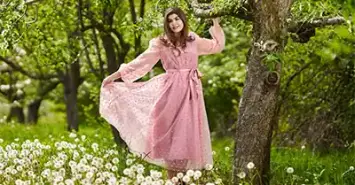

Attendees in real-world events increasingly rely on stain-resistant and weather-appropriate clothing to balance visual style with practical performance, especially in unpredictable or high-activity environments.
Modern event dressing is no longer purely about appearance; it is shaped equally by mobility, durability, and environmental adaptability. People attending outdoor gatherings, cultural events, or long-duration functions often face challenges such as sudden weather changes, crowded spaces, food exposure, and extended wear time. In response, outfit choices are becoming more strategic, combining refined aesthetics with materials and designs that resist stains, manage weather exposure, and maintain a polished look throughout the day. This balance allows individuals to remain presentable without sacrificing comfort or functionality.
Practical Fabric Selection
Fabric choice plays a central role in achieving both style and practicality in event settings. Attendees often prefer materials that repel minor spills, dry quickly, and resist wrinkling. These qualities help maintain a clean and structured appearance even during long hours of movement and interaction. At the same time, fabrics are selected to preserve visual appeal, ensuring that practicality does not reduce the sophistication of the overall outfit.
Weather Responsive Layering
Weather-appropriate layering allows attendees to adjust their outfits based on temperature shifts and environmental conditions. Lightweight outer layers, breathable inner garments, and adaptable mid-layers help individuals remain comfortable across varying climates. This system ensures that style remains consistent while allowing quick adjustments when conditions change, reducing the need for outfit replacement during events.
Stain Protection Strategy
Stain-resistant choices are particularly important in social environments where food, drinks, and outdoor elements are present. Attendees often select darker tones, textured surfaces, or treated materials that minimize visible marks. This strategy helps preserve a refined appearance throughout the event, even in situations where minor spills or contact are unavoidable. It supports confidence and ease of movement in crowded or active settings.
Style And Function Balance
The balance between style and function is achieved by combining protective features with visually appealing design elements. Structured silhouettes, coordinated color palettes, and thoughtful detailing ensure that practical clothing does not appear overly technical or utilitarian. Instead, functionality is integrated seamlessly into the aesthetic, allowing outfits to remain suitable for formal or semi-formal environments while still offering durability and adaptability in real-world conditions.
Adaptive Event Dressing Systems
Adaptive dressing systems are becoming more common as attendees prioritize flexibility in their wardrobe choices. These systems rely on interchangeable layers, multi-purpose garments, and versatile accessories that can shift between different event conditions. This approach reduces the need for multiple outfit changes while maintaining a consistent visual identity. It also ensures that individuals can move comfortably between indoor and outdoor spaces without compromising appearance or practicality.
Final Insight Overview
Stain-resistant and weather-appropriate clothing allows event attendees to combine style with real-world functionality. Through smart fabric choices, adaptive layering, and practical design strategies, outfits remain polished under varying conditions. This evolving approach to dressing reflects a growing emphasis on versatility, where appearance and practicality work together to support comfort, confidence, and consistency throughout diverse event experiences.