Top Highlights
See All
›
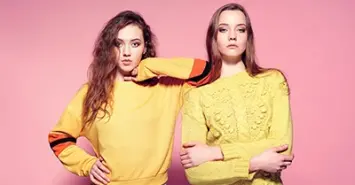
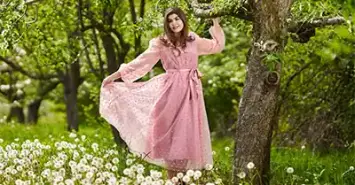


Public spaces increasingly function like informal runways, where everyday movement, visibility, and social interaction accelerate how fashion trends emerge and spread in real time.
Unlike traditional fashion systems that rely on curated presentations, modern trend formation is heavily influenced by what people wear in streets, transport hubs, campuses, cafés, and social gatherings. These spaces act as constant visual feedback loops where individuals observe, imitate, and reinterpret styles on the spot. As a result, clothing choices are no longer confined to planned fashion cycles; instead, they evolve dynamically through daily exposure, making public environments active sites of trend creation and rapid stylistic exchange.
Street Level Visibility
Public spaces amplify visibility by placing diverse fashion choices in shared environments where they can be immediately seen and assessed. This constant exposure allows certain styles to gain attention quickly, especially those that stand out through color, silhouette, or layering. As people move through these spaces, they unconsciously absorb and respond to what they see, contributing to rapid shifts in local dressing patterns that feel spontaneous yet socially reinforced.
Real Time Style Feedback
In public environments, fashion receives instant social feedback through attention, imitation, or subtle recognition. When a particular style draws notice, it can quickly influence others nearby to adopt similar elements. This creates a feedback loop where trends spread not through formal channels but through continuous observation in everyday life. Over time, this accelerates the pace at which new styling ideas become normalized within communities and social groups.
Movement Based Trend Spread
Mobility plays a key role in how fashion circulates across public spaces. As individuals travel through different environments during the day, they carry visual styles from one setting to another. This movement allows trends to spread organically between neighborhoods, workplaces, and social venues. Clothing becomes part of a mobile visual system, where exposure in one location influences adoption in another, creating layered and interconnected style ecosystems.
Social Observation Loops
Public spaces encourage continuous observation, where individuals study how others combine clothing, accessories, and silhouettes. These micro-observations contribute to evolving personal style decisions. People often adapt elements they notice in real time, leading to subtle but widespread shifts in how certain looks are interpreted and worn. This loop of observation and adaptation helps trends develop rapidly without formal coordination or structured promotion.
Informal Runway Effect
The “informal runway” effect occurs when everyday environments begin to function like live fashion displays. Unlike controlled shows, these spaces are unpredictable, diverse, and constantly changing, making them powerful drivers of authentic trend formation. Styles that perform well visually in real-world movement and lighting conditions often gain traction faster. This reinforces the idea that practical visibility, not staged presentation, increasingly shapes modern fashion direction.
Final Insight Overview
Public spaces act as real-time runways by turning everyday movement into continuous style exposure. Through visibility, observation, and mobility, fashion trends form and spread organically, making street-level environments one of the most influential forces in contemporary style evolution.