Top Highlights
See All
›




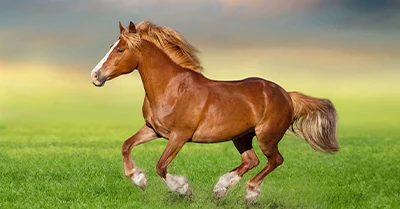
Horses naturally adjust their physical abilities and behavior to match the environments where they live and move.
Terrain, temperature, and climate conditions influence how horses develop speed, endurance, body strength, and daily habits over time. Animals raised in open plains, mountains, deserts, or colder regions often show different movement patterns and physical traits that help them remain comfortable and efficient in their surroundings. These environmental adaptations allow horses to respond more effectively to changing landscapes and weather conditions throughout daily activity.
Adaptation To Terrain
Different types of terrain influence how horses move and develop physically. Horses raised on open flat land often develop strong running ability and long-distance speed because they regularly travel across wide spaces. In mountainous or uneven regions, horses may become more balanced and physically sturdy to handle steep paths and rocky ground. Constant movement across difficult surfaces can strengthen leg muscles and improve coordination. Softer terrain may encourage smoother movement styles, while rough environments require more controlled steps and endurance. Over time, repeated interaction with specific landscapes shapes how horses use energy and move efficiently. These natural adjustments help horses remain stable, active, and comfortable in their local surroundings.
Response To Climate
Climate conditions also influence how horses physically adapt and behave. In colder regions, horses may develop thicker coats and stronger body structure to help retain warmth during low temperatures. In warmer climates, horses often appear leaner and may adapt by conserving energy during intense heat. Water availability and seasonal weather patterns can affect grazing habits, activity levels, and endurance throughout the year. Horses living in dry environments may become more efficient with energy use, while those in cooler areas may build stronger physical insulation. These climate-related changes help maintain comfort and health in different environmental conditions. Over generations, horses gradually develop traits that better suit their regional climate and lifestyle.
Behavior And Survival Patterns
Environmental conditions influence not only physical traits but also horse behavior and daily movement patterns. Horses in open environments may become more alert and active because of greater travel distances and changing surroundings. In rough terrain, animals often develop careful movement habits that improve balance and reduce injury risk. Climate conditions may also affect resting patterns, feeding times, and social behavior within groups. Horses naturally adjust their activity according to temperature and environmental comfort. These behavioral changes support survival and efficient energy use in different conditions. Because terrain and climate constantly influence daily life, horses gradually develop unique combinations of strength, speed, endurance, and behavior suited to their environment.
Natural Environmental Adaptation
Horses adapt their speed, strength, and behavior based on terrain and climate conditions because environmental demands shape their physical and daily activity over time. Open plains may support speed and endurance, while rough landscapes encourage stronger balance and muscle development. Climate also influences coat thickness, energy use, and movement habits according to temperature and weather patterns. These natural adjustments help horses remain comfortable and efficient in different surroundings. Behavioral changes further support survival by improving movement control, feeding patterns, and energy management. Through long-term exposure to specific environments, horses develop physical and behavioral traits that match the challenges and conditions of the regions where they live and move.