Top Highlights
See All
›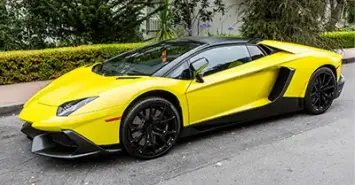


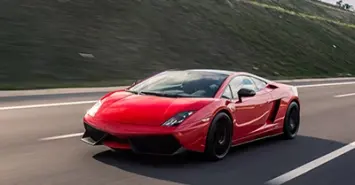
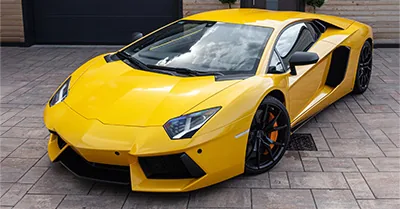
Sports-car owners in Argentina and Chile often adapt to high fuel costs by adjusting usage patterns, driving habits, and ownership strategies while still preserving performance enjoyment.
In many regions, fuel prices can significantly influence how frequently high-performance vehicles are driven. Instead of abandoning their cars or reducing enthusiasm, owners tend to refine how and when they use them. The goal is not to eliminate driving pleasure but to make it more efficient and intentional. Over time, this has created a culture where performance driving is treated as a planned experience rather than a daily routine, allowing enthusiasts to maintain both financial balance and driving satisfaction.
Selective Driving Schedules
Many owners reduce unnecessary daily use and reserve sports-car driving for specific occasions. Weekend drives, scenic routes, or group outings become preferred times for enjoying performance vehicles. Short city trips are often avoided in favor of longer, more meaningful drives that justify fuel consumption. This selective approach allows owners to focus on quality driving experiences rather than frequent short-distance usage, making each outing more enjoyable and purposeful.
Optimized Driving Techniques
Fuel-efficient driving habits are commonly adopted without sacrificing the essence of performance driving. Smooth acceleration, steady cruising speeds, and reduced idling help manage fuel consumption. Drivers often learn to balance spirited driving with efficiency, enjoying acceleration in controlled moments while maintaining calm driving in regular traffic. This hybrid style preserves the emotional aspects of performance cars while reducing overall fuel costs.
Route Planning For Efficiency
Route selection plays an important role in managing fuel usage. Enthusiasts often choose highways or open roads that allow consistent speeds rather than congested urban routes with frequent stops. Scenic drives outside city limits are preferred because they provide both enjoyment and smoother fuel efficiency. Careful planning of destinations and travel timing helps reduce wasted fuel in traffic while maximizing driving enjoyment.
Group Driving And Shared Trips
Car communities often organize group drives that combine social interaction with shared fuel costs and planning efficiency. Convoys may coordinate stops, routes, and driving patterns to ensure smoother travel. These shared experiences make long-distance driving more cost-effective and socially engaging. Participants also exchange advice on fuel-saving techniques, routes, and maintenance practices, strengthening community support around performance driving.
Maintenance And Vehicle Health
Proper maintenance helps improve fuel efficiency and preserve engine performance. Owners regularly service their vehicles, ensure correct tire pressure, and maintain clean air filters and engine systems. Well-maintained engines operate more efficiently, reducing unnecessary fuel consumption. This focus on upkeep allows drivers to continue enjoying performance without excessive fuel waste caused by mechanical inefficiencies.
Balanced Vehicle Ownership Choices
Some enthusiasts adopt multi-vehicle strategies, using more economical cars for daily commuting while reserving sports cars for special drives. This approach reduces fuel expenses without limiting access to performance vehicles. By separating practical use from leisure driving, owners can maintain both financial control and driving enjoyment. This balance has become increasingly common in urban environments with high fuel costs.
Mindful Performance Enjoyment
Rather than constant high-speed driving, many owners shift toward more mindful enjoyment of performance vehicles. This includes appreciating handling, sound, and driving feel in selected moments instead of continuous aggressive driving. The emotional experience of driving remains central, even if frequency is reduced. This change reflects a more deliberate and conscious approach to automotive passion.
Sustained Enthusiast Culture
Despite fuel cost challenges, sports-car culture in Argentina and Chile remains strong because enthusiasts adapt rather than disengage. Through selective driving, efficient habits, and community support, owners continue to enjoy performance vehicles in a sustainable way. This adaptability ensures that driving passion remains intact while aligning with economic realities, preserving the culture of performance driving across both countries.