Top Highlights
See All
›



Chestnuts and water chestnuts may sound similar, but they are entirely different in terms of socioeconomic origins, spatial arrangements of taste, texture, and nutrition benefits.
Both are commonly used in cooking, but the choice between them largely depends on the dietary choice. Here are some of the major differences to help you determine which is the better choice for you.
Origin and Appearance
Water Chestnut
Aquatic vegetables of water chestnuts grow in marshy terrains and ponds. They have a dark, rough outer covering and crisp, white flesh inside. They find their way into Asian cuisine in stir-fries and salads, thanks to their fantastic crunch.
Chestnut
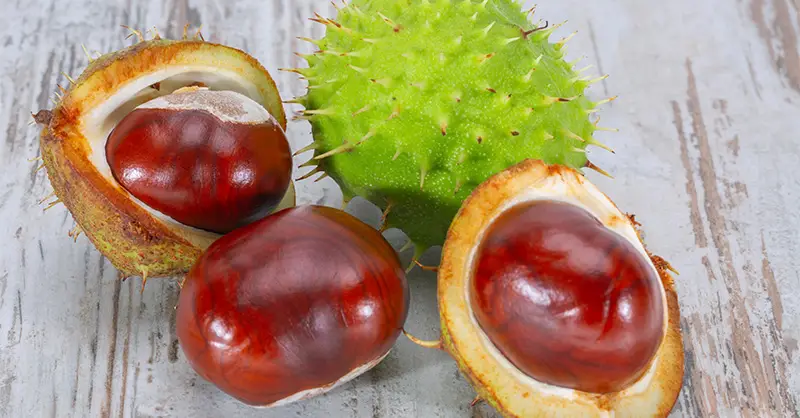
The chestnuts belong to trees of the genus Castanea and are true nuts. Once cooked, they have a hard-brown shell and a soft starchy inside. Chestnuts are mainly consumed roasted or boiled, especially during winter and festive seasons.
Nutritional Comparison
Calories and Carbohydrates
- The calories in water chestnuts are way lesser, around 97 per 100 grams, making them a good low-calorie choice.
- The calories in chestnuts are greater, about 245 per 100 grams since these are carbs.
Fiber Content
Both varieties provide dietary fibre, but chestnuts contain more fibre, aiding digestion and promoting gut health.
Vitamins and Minerals
- Water chestnuts are rich in potassium, which helps regulate blood pressure and support heart health.
- Chestnuts provide vitamin C, folate, and manganese, which support immunity, brain function, and bone health.
Taste and Culinary Uses
Water Chestnuts
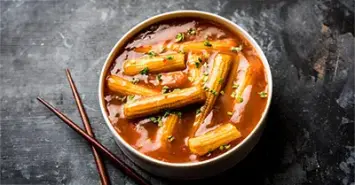
Water chestnuts have a crisp, slightly sweet flavour and retain their crunch even after cooking. They are commonly used in Asian dishes, stir-fries, and soups.
Chestnuts
Chestnuts have a soft, mildly sweet, and nutty flavour when cooked. Most times, water chestnuts are roasted, pureed, or can be used in desserts and savoury dishes.
Which One Is the Better Option?
- Those who may want an ingredient that is kilojoule low yet crunchy and hydrating may have to go with water chestnuts.
- For those who prefer starchy, nutritious food, destined for chilling during winter, they would undoubtedly go for the chestnuts.
Summary
Both water chestnuts and chestnuts have certain unique benefits and uses. Water chestnuts have good values for those who want a light, hydrating, and crunchy additive to meals. On the other hand, chestnuts are comfort food providing warmth and energy, plus essential nutrients. It only depends on one's taste and dietary aspirations for one to make their choice.