Top Highlights
See All
›




Lollipops are more than just childhood treats.
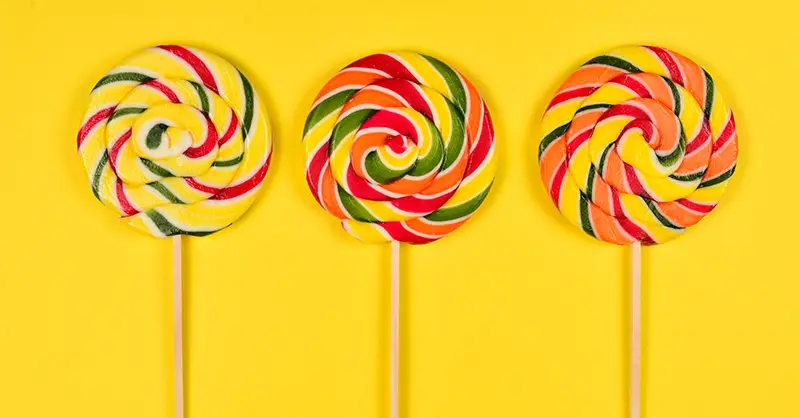
They have become bold visual symbols in pop culture. Over the years, this simple sweet has found its way into music videos, fashion shoots, and film scenes, gaining meaning far beyond sugar and fun. Its playful shape, color, and nostalgic charm have made it a lasting cultural icon.
Lollipops in Music
From early rock and roll to modern pop and hip-hop, lollipops have appeared in countless music videos and album covers. Often used to suggest innocence or flirtation, many artists turned the lollipop into a lyrical metaphor. Its bright color and simple shape made it a perfect prop for creating a bold visual statement.
A Fashion Accessory
Lollipops have also become fashionable props. Models and celebrities are often seen with oversized swirl lollipops in photo shoots, using them to suggest sweetness, rebellion, or even irony. Their use in fashion often plays with contrasts mixing childlike objects with adult styling to create unexpected, memorable images.
In Film and TV
On-screen, lollipops often represent youth or innocence, but sometimes they are used for contrast. Characters like the detective who famously swapped cigarettes for lollipops, gave the candy a cool and tough twist. In other scenes, a lollipop can appear whimsical, romantic, or mysterious, depending on the context and the character holding it.
Symbol of Dual Meaning
What makes the lollipop a strong symbol in pop culture is its dual nature. It can be cute and playful, or suggestive and ironic. This flexibility allows it to appear in many creative settings. It can be used to show innocence, but also to challenge it. That’s why it has remained relevant in changing cultural styles.
Marketing and Branding
Lollipops are easy to recognize, which makes them great for branding. Many companies, especially those targeting young or nostalgic audiences, use the image of a lollipop in their logos and packaging. Its association with fun and sweetness creates an instant emotional connection.
Nostalgia and Timelessness
Part of the lollipop’s power lies in its connection to childhood. Even when used in edgy or artistic ways, it brings a feeling of the past. This sense of nostalgia adds depth to its appearance in pop culture, reminding viewers of simpler times while also playing with modern themes.
Conclusion
Lollipops have come a long way from candy jars and birthday parties. As a symbol in music, fashion, and film, they continue to capture attention with their visual charm and cultural flexibility. Sweet, bold, and endlessly adaptable, the lollipop has earned its place as a lasting icon in pop culture.