Top Highlights
See All
›




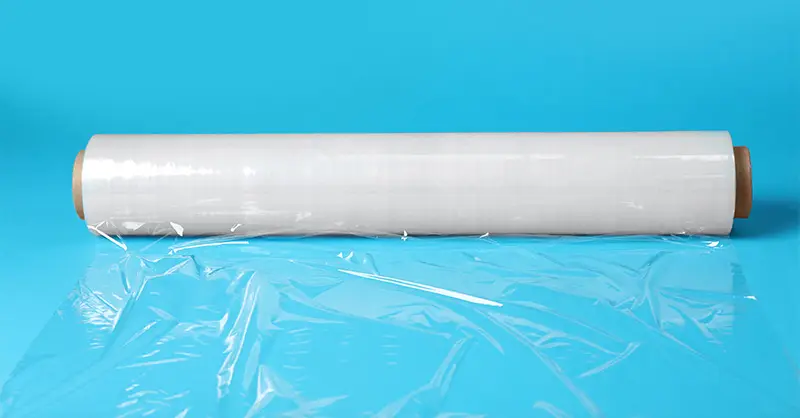
Cling wrap is a thin, see-through plastic sheet used to cover and seal food.
It sticks to bowls, plates, and even to itself without any glue. This sticking action may seem simple, but there is interesting science behind why cling wrap clings the way it does.
What Cling Wrap Is Made Of
Most cling wraps are made from plastics like polyvinylidene chloride (PVDC) or low-density polyethylene (LDPE). These materials are chosen because they are flexible, stretchable, and safe for wrapping food. The chemical structure of these plastics plays a key role in how they behave.
How Static Electricity Works
One major reason cling wrap sticks is because of static electricity. When you unroll the wrap or rub it, tiny electrical charges build up on the surface. These charges create an invisible force that pulls the wrap toward other surfaces, like a plate or bowl, and makes it cling tightly.
The Role of Plastic Properties
Plastics like PVDC and LDPE have special properties that help them cling. They are smooth, soft, and flexible, which allows them to press closely against surfaces. This close contact helps the plastic stay in place, even without glue or tape. It also helps keep air and moisture out, keeping food fresh.
Why It Sticks to Itself
Cling wrap often sticks to itself more than anything else. This happens because of the strong attraction between the similar plastic surfaces. The wrap is so thin that even a small touch creates a large area of contact, making the sticking stronger. This is why it can be tricky to unroll or separate at times.
Heat and Moisture Effect
Heat and moisture can affect how well cling wrap sticks. If the surface is wet or oily, the wrap might not cling as well because the contact is broken. On the other hand, a dry and smooth surface allows the plastic to grip better. Warm temperatures can also soften the plastic, making it stretch and stick more easily.
Improvements in Cling Wrap
Over time, cling wraps have been improved to stick better and be safer for food. Some are now made without harmful chemicals, and others are microwave-safe. Manufacturers also design them to be stronger and less likely to tear during use.
Conclusion
Cling wrap clings due to a mix of static electricity, plastic flexibility, and close surface contact. What seems like a simple kitchen tool is actually the result of careful science and material design. Knowing how cling wrap works helps us use it better and choose the right one for our needs.